
What Affects the Cost of Residential Concrete in Goodyear, AZ?
Concrete projects can look simple from the outside: prepare the ground, pour the concrete, finish the surface, and let it cure. In reality, the final price can change significantly depending on the size of the project, site conditions, concrete thickness, reinforcement, finish, and the amount of preparation required.
If you are comparing a Goodyear AZ concrete contractor residential project estimate, it helps to understand what is actually included in the price. Whether you are planning a new driveway, patio, walkway, or stamped concrete surface, knowing the factors that influence residential concrete work can help you set a realistic budget and avoid costly surprises.
Below are the biggest factors that typically affect residential concrete costs in Goodyear, Arizona.
1. Project Size and Concrete Volume
The size of the project is one of the biggest cost drivers. Contractors commonly calculate concrete needs based on the square footage of the area and the required slab thickness.
A small walkway may require relatively little material, while a wide driveway or large backyard patio can require several cubic yards of concrete.
The total price may include:
Concrete material
Delivery charges
Labor for pouring and finishing
Equipment use
Site preparation
Cleanup and disposal
Larger projects usually cost more overall, although the cost per square foot can sometimes decrease because setup and delivery expenses are spread across a larger area.
Thickness also matters. A patio intended mainly for foot traffic may not need the same slab thickness as a driveway supporting trucks, SUVs, or recreational vehicles.
2. Site Preparation Can Change the Price Quickly
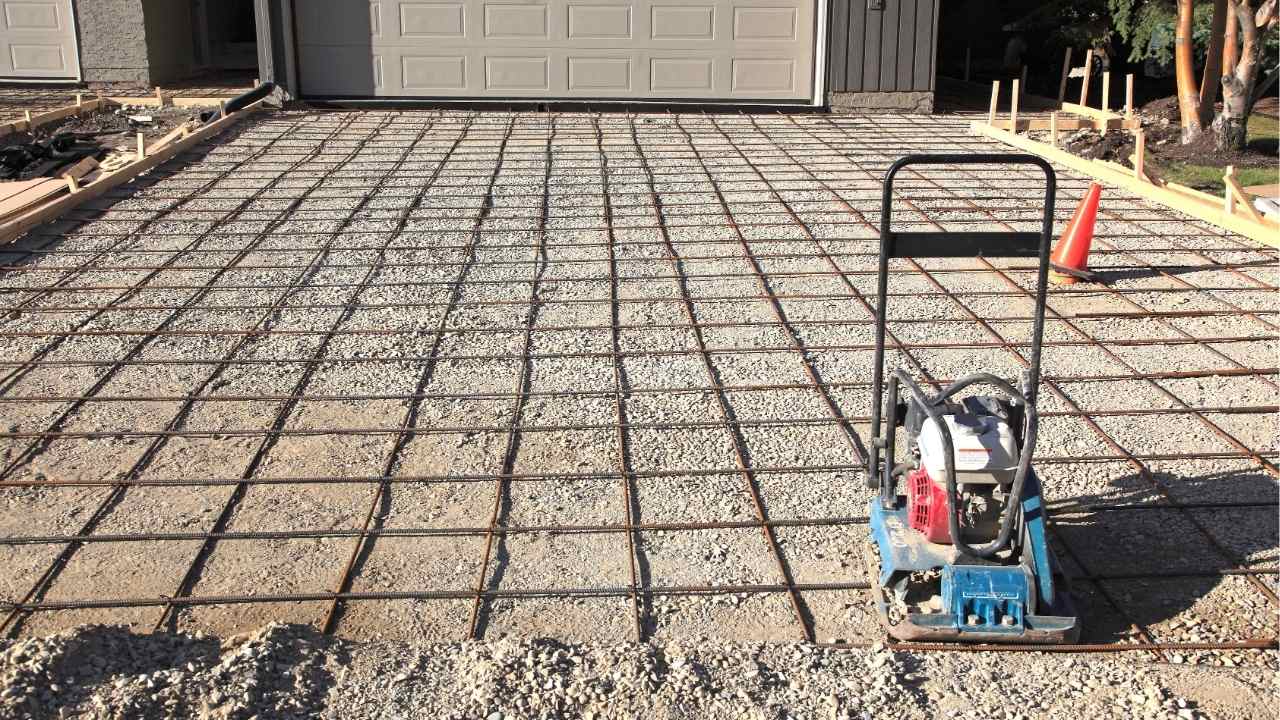
Concrete performs best when it is installed on a properly prepared base. That means the condition of the site can have a major effect on the final estimate.
A flat, easily accessible area that is already cleared may need relatively little preparation. A site with old concrete, poor soil, drainage problems, roots, or significant elevation changes can require much more work.
Preparation may involve:
Removing old concrete or asphalt
Excavating soil
Grading the area
Installing and compacting aggregate base
Removing vegetation or roots
Improving drainage
Building forms
Hauling away debris
Goodyear's desert environment also makes soil and drainage considerations important. A contractor should evaluate the ground before pouring rather than assuming every property needs the same preparation.
Cutting corners below the slab can save money at first, but weak base preparation can contribute to settling, cracking, and uneven surfaces later.
3. Reinforcement, Thickness, and Structural Requirements
Not every concrete slab is built the same way.
A decorative backyard pad does not face the same loads as a driveway where vehicles enter and park every day. Depending on the application, contractors may recommend additional thickness or reinforcement.
Reinforcement options can include rebar, welded wire mesh, or fiber reinforcement. The right choice depends on the project design and anticipated loads.
Several structural details can affect pricing:
Required concrete thickness
Amount and type of reinforcement
Control joint layout
Edge thickness
Base depth
Concrete mix specifications
Control joints deserve particular attention. Concrete naturally expands, contracts, and develops internal stress. Properly planned joints help manage where cracking occurs rather than leaving the slab to crack unpredictably.
Paying for appropriate construction methods upfront is usually far less expensive than repairing premature slab problems.
4. Finish and Design Choices
Basic concrete generally costs less than decorative concrete because the finishing process is simpler and requires less labor.
A standard broom-finished driveway, for example, may only require leveling, edging, jointing, and texturing. Decorative projects can require additional materials, tools, colors, patterns, and skilled finishing work.
Homeowners may choose options such as:
Smooth finishes
Broom finishes
Exposed aggregate
Colored concrete
Decorative borders
Custom patterns
Textured surfaces
Complex designs take additional time to complete. Multiple colors, detailed borders, or intricate layouts can also increase material and labor requirements.
When comparing estimates, make sure contractors are pricing the same finish. A low quote for basic gray concrete is not directly comparable to a quote that includes decorative detailing, coloring, and sealing.
Access to the Property Matters More Than Many Homeowners Expect
Site access can quietly add hundreds of dollars or more to certain projects.
If a concrete truck can pull close to the pouring area, placement may be relatively straightforward. If the project is behind a house, through a narrow gate, or far from the street, additional equipment and labor may be necessary.
A contractor might need wheelbarrows, concrete pumps, powered buggies, or additional workers to transport the concrete from the delivery truck to the pour location.
Before requesting an estimate, think about practical questions such as:
Can a truck reach the project area?
Are gates wide enough for equipment?
Are landscaping features blocking access?
Are there walls, pools, slopes, or structures nearby?
How far must concrete travel from the street?
Good contractors typically inspect these conditions before providing a firm proposal.
Demolition and Removal of Existing Concrete
Replacing an existing driveway or patio costs more than pouring concrete on a prepared open site.
The old material must first be broken apart, loaded, transported, and disposed of properly. Heavy or reinforced concrete can require specialized equipment and additional labor.
Demolition can uncover other problems as well. Contractors sometimes find insufficient base material, poor drainage, or unstable soil beneath an existing slab. Correcting those problems increases the scope of work but can greatly improve the performance of the replacement concrete.
Ask whether demolition, hauling, and disposal are included when reviewing a quote. An inexpensive initial estimate can become much less attractive if those services appear later as separate charges.
Short Case Study: Why Preparation Changed the Budget
Consider a Goodyear homeowner planning to replace an aging driveway. The project initially appeared straightforward based on square footage alone. After the old slab was removed, however, the contractor discovered areas of weak base material and poor drainage near one edge of the driveway. Instead of pouring directly over the existing ground, the crew excavated the unstable material, installed additional aggregate base, compacted it, and adjusted the grade. The project cost increased, but the added preparation created a stronger foundation and reduced the likelihood of premature settlement. The lesson is simple: the visible concrete is only part of what determines a project's true cost.
How to Compare Concrete Estimates
Choosing a contractor based only on the lowest number can be risky. Two estimates that appear to cover the same project may include very different construction methods.
Ask each contractor to clearly explain:
Concrete thickness
Base preparation
Reinforcement
Concrete strength
Finish type
Joint placement
Demolition and disposal
Sealing, if applicable
Cleanup
Project timeline
Warranty details
Detailed estimates make it easier to compare actual value rather than simply comparing totals.
Extremely low bids deserve additional scrutiny. Savings may come from thinner concrete, inadequate base preparation, limited reinforcement, or rushed finishing, all of which can shorten the life of the finished surface.
Plan for Long-Term Value, Not Just the Initial Price
Concrete is a long-term investment. A driveway, patio, walkway, or slab that is installed correctly can provide years of dependable use, while a poorly prepared project can become an ongoing source of cracks, drainage problems, and repairs.
The most useful estimate is not necessarily the cheapest one. It is the estimate that clearly explains what your property needs, how the slab will be built, and what is included in the price.
If you are planning a concrete project in Goodyear, contact a local concrete professional to schedule a site evaluation and request a detailed estimate based on your property's actual conditions.