Concrete Patio vs Paver Patio: Which Is Better for Arizona Homes?
A backyard patio in Arizona has to do more than look good. It needs to handle intense sun, high temperatures, dust, sudden monsoon rain, and years of outdoor use without becoming a constant maintenance project.
For homeowners comparing concrete and pavers, the right choice usually comes down to budget, appearance, maintenance, and how the patio will be used. Working with a trusted residential concrete builder in Goodyear AZ can also help you understand how each material performs in local soil and weather conditions. Many homeowners choose residential concrete patios for their clean appearance and long-term value, while others prefer the design flexibility of pavers. Before making the final call, getting advice from a local concrete professional can help you avoid expensive mistakes.
This guide compares both options so you can decide which patio makes the most sense for your Arizona home.
Concrete Patios: Simple, Durable, and Cost-Effective
Concrete remains one of the most popular patio materials because it offers a strong balance of durability, price, and design flexibility.
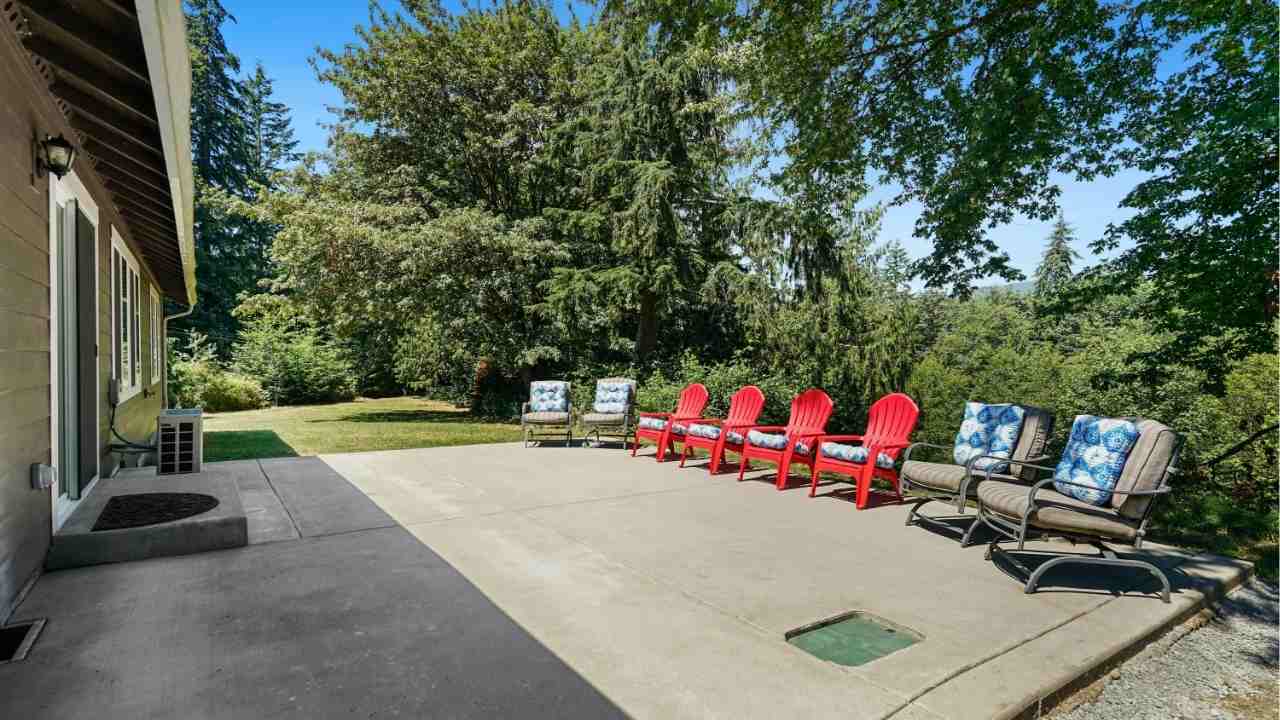
A traditional concrete patio can create a smooth, clean surface for outdoor furniture, grills, fire pits, and entertaining areas. Homeowners are no longer limited to plain gray concrete either. Decorative finishes can dramatically change the final appearance.
Popular options include:
Broom-finished concrete for added traction
Stamped patterns that resemble stone or tile
Colored concrete that complements the home
Decorative borders and scoring
Exposed aggregate finishes
Concrete also creates a continuous surface without hundreds of individual joints. That means fewer places for weeds to grow and fewer individual pieces that can shift over time.
How Does Concrete Handle Arizona Heat?
Concrete performs very well in hot climates when properly installed.
However, darker colors can absorb considerable heat during the summer. Choosing lighter finishes can help reduce surface temperatures, especially around pools and areas where people may walk barefoot.
Proper installation matters just as much as the material itself. Contractors need to account for expansion, drainage, soil preparation, and control joints. Cutting corners during installation can increase the likelihood of cracking later.
Small cracks do not always mean the patio has failed. Concrete naturally expands and contracts as temperatures change. Correctly positioned control joints help manage where this movement occurs.
Paver Patios: Flexible Designs With a Premium Look
Pavers offer homeowners tremendous design freedom.
Individual concrete, brick, or stone pavers can be arranged into patterns that create a more customized appearance than standard concrete. Homeowners can combine colors, borders, shapes, and textures to match landscaping or architectural features.
Another advantage is repairability.
When one section becomes damaged, individual pavers can often be removed and replaced without rebuilding the entire patio. This can make localized repairs easier than repairing a large concrete slab.
Pavers can also handle slight ground movement differently because the patio consists of individual units rather than one continuous surface.
There are trade-offs, however.
Installation is labor intensive. Contractors must excavate the area, prepare and compact the base, install edging, place the pavers, and properly fill the joints.
Poor installation can eventually result in:
Uneven sections
Sunken pavers
Weed growth between joints
Loose edging
Drainage problems
Arizona homeowners should therefore pay close attention to base preparation rather than choosing a contractor based only on the appearance of finished projects.
Concrete vs Pavers: Cost, Maintenance, and Longevity
There is no universal winner. Each material performs better in certain situations.
Installation Cost
Standard concrete is generally more economical than professionally installed pavers.
Decorative concrete increases the price, particularly when homeowners choose stamping, specialty colors, or complex patterns. Even then, it can provide the visual character of higher-end materials without the labor involved in installing hundreds of individual pieces.
Pavers typically require more installation labor, which can push the total project cost higher.
Maintenance
Concrete is relatively straightforward to maintain.
Regular cleaning and occasional sealing may be enough depending on the finish. Cracks should be inspected and repaired when necessary to prevent them from expanding.
Pavers may require more ongoing attention. Joint sand may need replacement, weeds can occasionally appear, and individual sections may settle.
On the other hand, damaged pavers are easier to replace individually.
Design Flexibility
Pavers win when maximum customization is the priority.
They come in numerous shapes, colors, patterns, and textures. They are especially attractive around landscaping, outdoor kitchens, fire pits, and Mediterranean or Southwestern-style homes.
Decorative concrete has narrowed the gap considerably. Stamped and colored concrete can mimic stone, tile, and other materials while maintaining the simplicity of a poured surface.
Long-Term Durability
Both options can last for decades when the foundation and drainage are properly designed.
For concrete, controlling cracking is the major consideration.
For pavers, maintaining a stable base is critical. Poor compaction can cause sections to settle or shift.
The quality of installation often has more influence on longevity than the material itself.
Which Patio Is Better for Your Arizona Home?
Start by asking how you actually plan to use the space.
Choose concrete when you prioritize:
Lower initial cost
Easy maintenance
A clean, continuous surface
Faster installation
Decorative options without complicated patterns
Consider pavers when you prioritize:
Highly customized designs
Individual repairability
Multiple patterns and borders
A more detailed, upscale appearance
There is also no rule saying the entire outdoor area must use one material. Some homeowners combine concrete patio surfaces with paver borders or walkways, giving the yard more visual depth without dramatically increasing the budget.
Arizona Patio Case Study
A Goodyear homeowner wanted to replace a small backyard sitting area with a larger patio for weekend gatherings. Pavers were initially appealing because of their upscale appearance, but the homeowner also wanted minimal maintenance and enough space for dining furniture and a grill. After comparing installation requirements and long-term upkeep, the homeowner chose a light-colored decorative concrete surface with a simple border pattern. The finished patio provided the clean appearance they wanted while leaving additional budget for landscaping and shade improvements. More importantly, the patio design focused on proper grading and drainage instead of appearance alone, helping protect the new outdoor space during Arizona's seasonal storms.
Do Not Choose Based on Appearance Alone
Photos on Pinterest or Instagram can make almost any patio material look perfect.
What those photos do not show is the preparation underneath.
Excavation depth, compacted base material, drainage, reinforcement, concrete thickness, joint placement, and grading can determine whether a patio performs well for decades or begins developing problems within a few years.
That is especially important in Arizona, where extreme heat and seasonal rainfall create very different stresses on outdoor surfaces.
Before choosing concrete or pavers, have the site evaluated and compare the complete installation process, not simply the price per square foot.
Build a Patio That Fits Your Home
Concrete and pavers can both create attractive, long-lasting Arizona patios. Concrete usually offers the best combination of affordability, low maintenance, durability, and design flexibility, while pavers provide greater customization and easier individual repairs.
The better choice is the one that fits your property, budget, design goals, and expectations for future maintenance.
Ready to transform your backyard? Schedule a patio consultation with an experienced concrete contractor to evaluate your space, discuss design options, and build an outdoor area designed for Arizona living.