Can Old Concrete Be Stained Successfully?
Old concrete can look tired long before it actually needs to be replaced. Faded patios, dull walkways, plain driveways, and worn interior slabs often still have plenty of life left in them. The real question is whether staining can bring that surface back in a way that looks clean, rich, and professional.
The good news? In many cases, yes. Old concrete can be stained successfully when the surface is properly cleaned, repaired, and prepared. For homeowners comparing replacement with decorative resurfacing, working with a Goodyear AZ stamped concrete contractor can help determine whether staining is the smarter investment. Many homeowners choose residential concrete staining services because staining can improve curb appeal without the mess, cost, and downtime of tearing out existing concrete. The key is having experienced concrete specialists evaluate the condition first, because not every slab is ready for stain without prep work.
In this article, you’ll learn when old concrete is a good candidate for staining, what can affect the final color, and how proper preparation helps create a longer-lasting finish.
When Old Concrete Can Be Stained
Concrete stain does not work like paint. Instead of simply sitting on top of the surface, many stains react with or penetrate the concrete. That means the condition of the slab matters.
Old concrete can usually be stained if it is:
Structurally sound
Free from major cracking or crumbling
Clean enough to absorb stain evenly
Not heavily sealed, painted, or coated
Properly repaired before staining begins
Age alone is not the problem. In fact, older concrete can often take stain beautifully because it has had time to cure fully. The bigger issue is what has happened to the surface over the years.
Oil spills, rust marks, old coatings, adhesives, tire marks, and patch repairs can all affect how the stain looks. Some imperfections may add character, while others may create uneven blotches if they are not addressed first.
That is why an honest inspection matters. A professional should not promise perfect results before checking the surface. Good staining is part art, part chemistry, and part preparation.
What Affects the Final Stained Look?
Concrete is not a blank canvas. Every slab has its own texture, porosity, age, and history. That is what makes stained concrete attractive, but it also means results can vary.
Several factors influence the final appearance:
The original concrete mix
Surface wear and weather exposure
Previous sealers or coatings
Moisture levels in the slab
Existing cracks, repairs, or stains
The type of stain used
How well the surface is cleaned and prepared
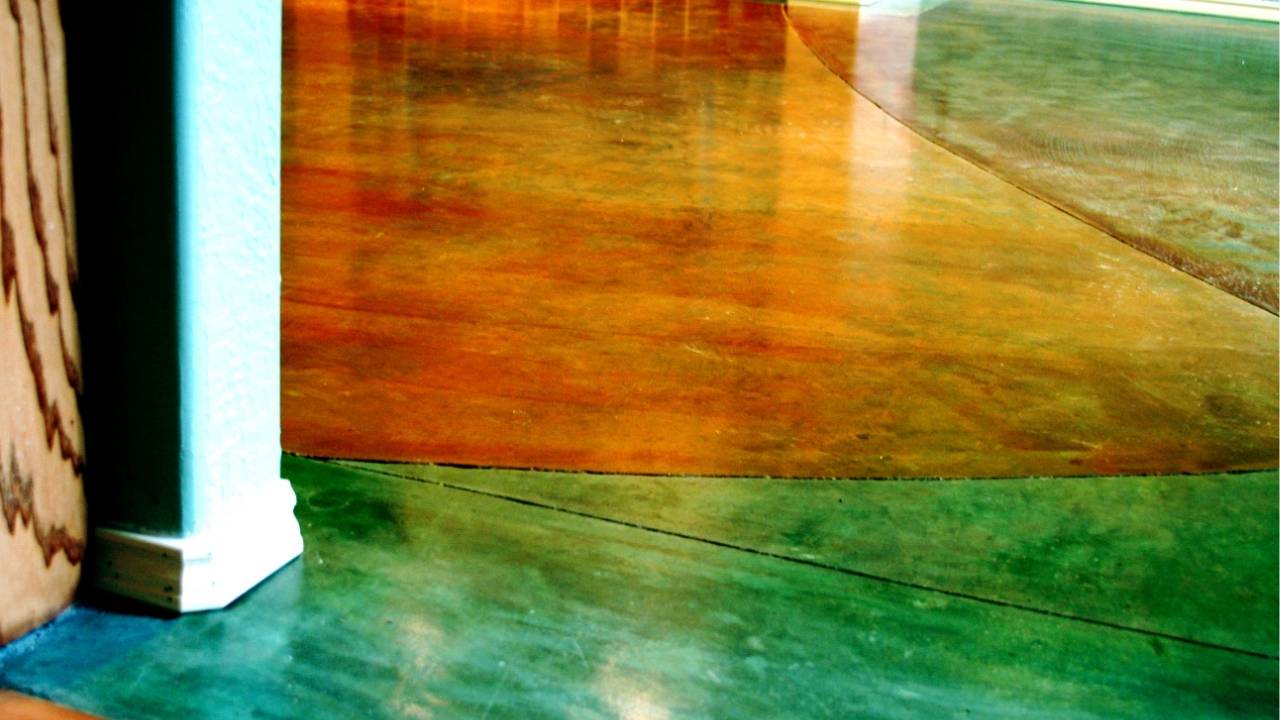
Acid stains often create natural, marbled color variations. Water-based stains can offer more color control and a wider range of shades. Both can work well, but the right choice depends on the look you want and the condition of the concrete.
For example, a backyard patio with mild fading may only need cleaning, light repair, staining, and sealing. A garage floor with years of oil spots may need deeper cleaning or grinding before stain can be applied. A driveway with several mismatched patches may still be stainable, but the repaired areas may absorb color differently.
The goal is not to make old concrete look brand-new in a fake way. The goal is to enhance what is already there and create a finish that feels intentional, warm, and finished.
Why Surface Preparation Is Everything
Preparation is the difference between a stained slab that looks rich and one that looks messy. Skipping this step is where most staining projects fail.
Before staining old concrete, the surface usually needs to be:
Washed and degreased
Stripped of old sealers if needed
Checked for moisture problems
Repaired where cracks or chips exist
Lightly etched or opened up for absorption
Tested with sample stain when possible
This process helps the stain bond or react properly with the concrete. It also reduces the chance of cloudy areas, peeling sealer, uneven color, or weak coverage.
Sealing is just as important. Once the stain has been applied and cured, a quality sealer protects the color from foot traffic, sun exposure, moisture, and everyday wear. Depending on the space, the sealer may also add a satin, matte, or glossy finish.
Outdoor concrete may need a sealer that can handle UV exposure and weather changes. Interior concrete may need a finish that resists scratches and is easy to clean. The wrong sealer can make a beautiful stain job wear down too quickly.
Case Study: Turning a Faded Patio Into a Selling Point
A homeowner had a 15-year-old backyard patio that looked gray, patchy, and forgotten. The concrete was still solid, but years of sun exposure and outdoor furniture marks made the space feel unfinished. Instead of replacing the slab, the surface was cleaned, lightly repaired, stained in a warm earth tone, and sealed with a low-sheen protective finish. The result was a patio that looked more inviting without losing its natural texture. The homeowner later said the updated concrete made the entire backyard feel more complete and helped them feel better about hosting guests again.
Is Staining Better Than Replacing Old Concrete?
Staining is not always the right answer. If the concrete is badly cracked, sinking, flaking, or structurally damaged, replacement or resurfacing may be the better option.
But when the slab is stable, staining can be a smart choice because it can:
Improve the look of old concrete
Cost less than full replacement
Add color and character
Reduce demolition mess
Extend the life of the existing surface
Improve patios, walkways, driveways, pool decks, and interior floors
It is especially useful when you want a custom look without installing tile, stone, pavers, or new concrete. Staining can create a natural, upscale finish that works with many home styles.
The smartest move is to get the concrete evaluated before making a decision. A professional can tell you whether staining, resurfacing, sealing, or replacement makes the most sense for your property.
Ready to Refresh Your Old Concrete?
Old concrete does not always need to be ripped out to look good again. With the right preparation, stain, and sealer, many worn surfaces can be transformed into something clean, attractive, and easier to maintain.
If your patio, walkway, driveway, or interior slab looks dull but is still in decent shape, schedule a professional concrete staining consultation today and find out what your existing concrete can become.